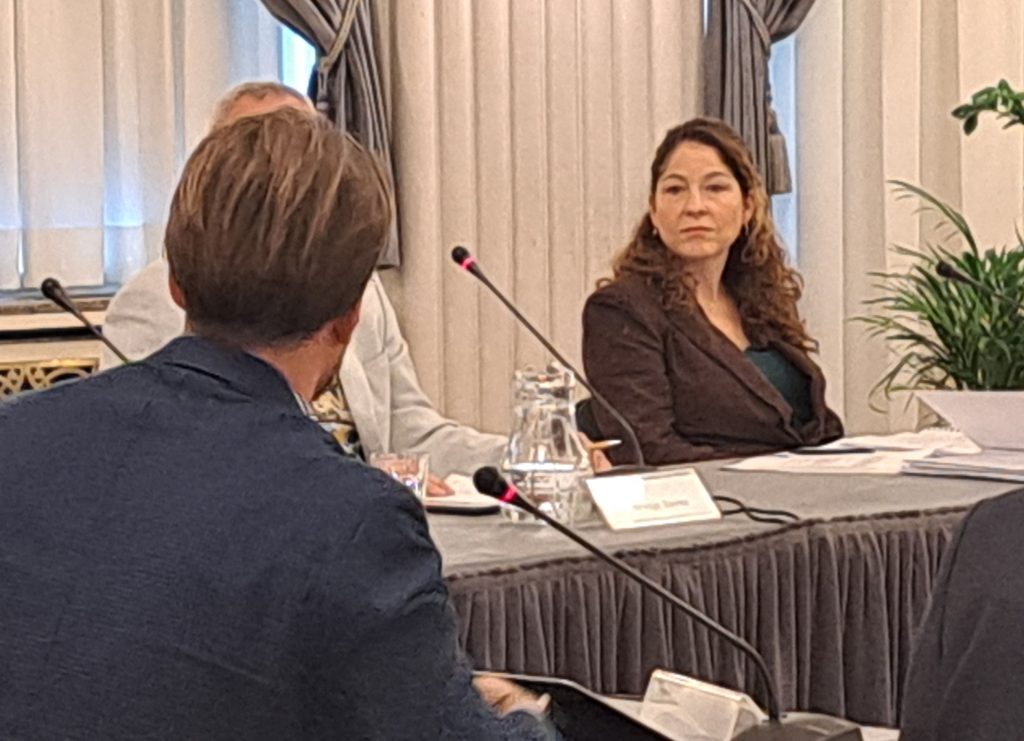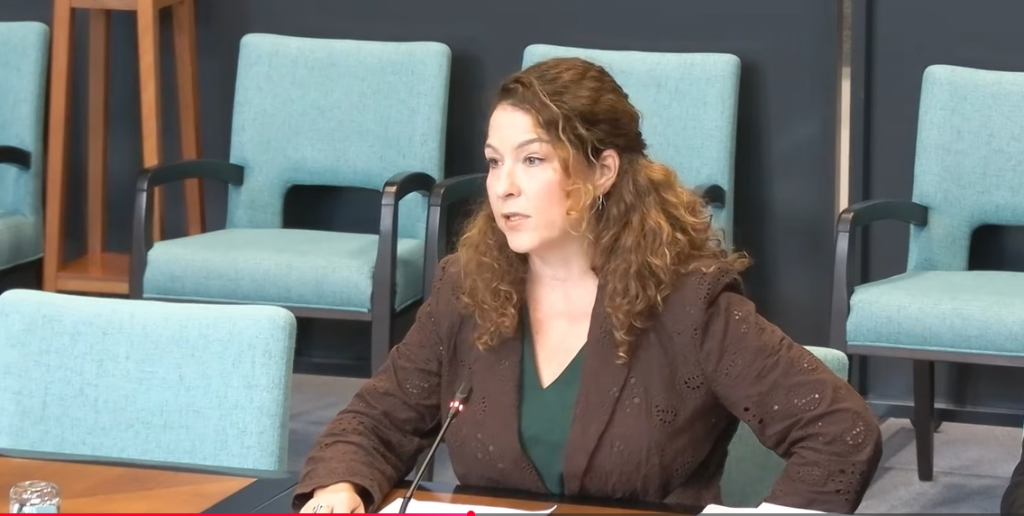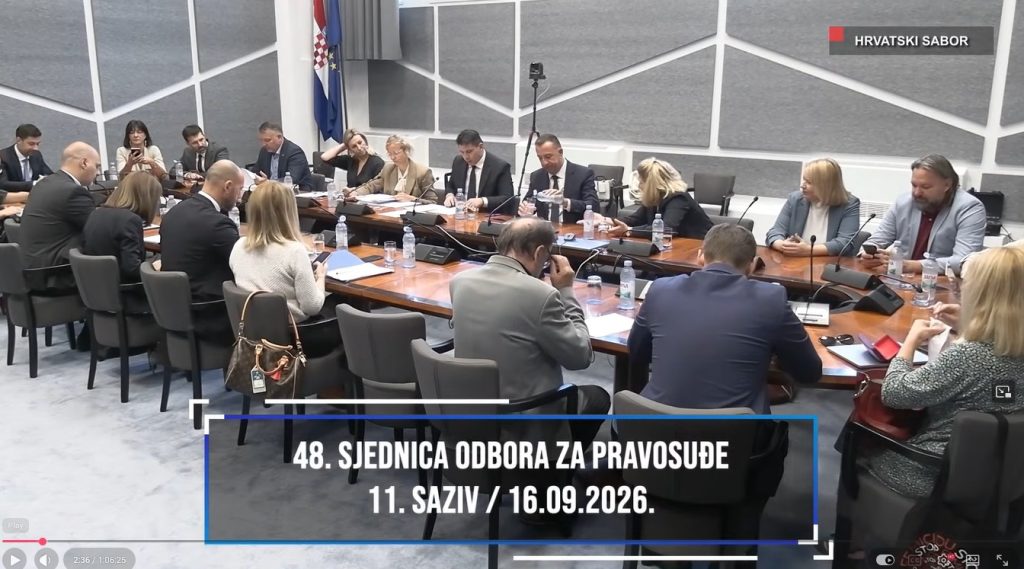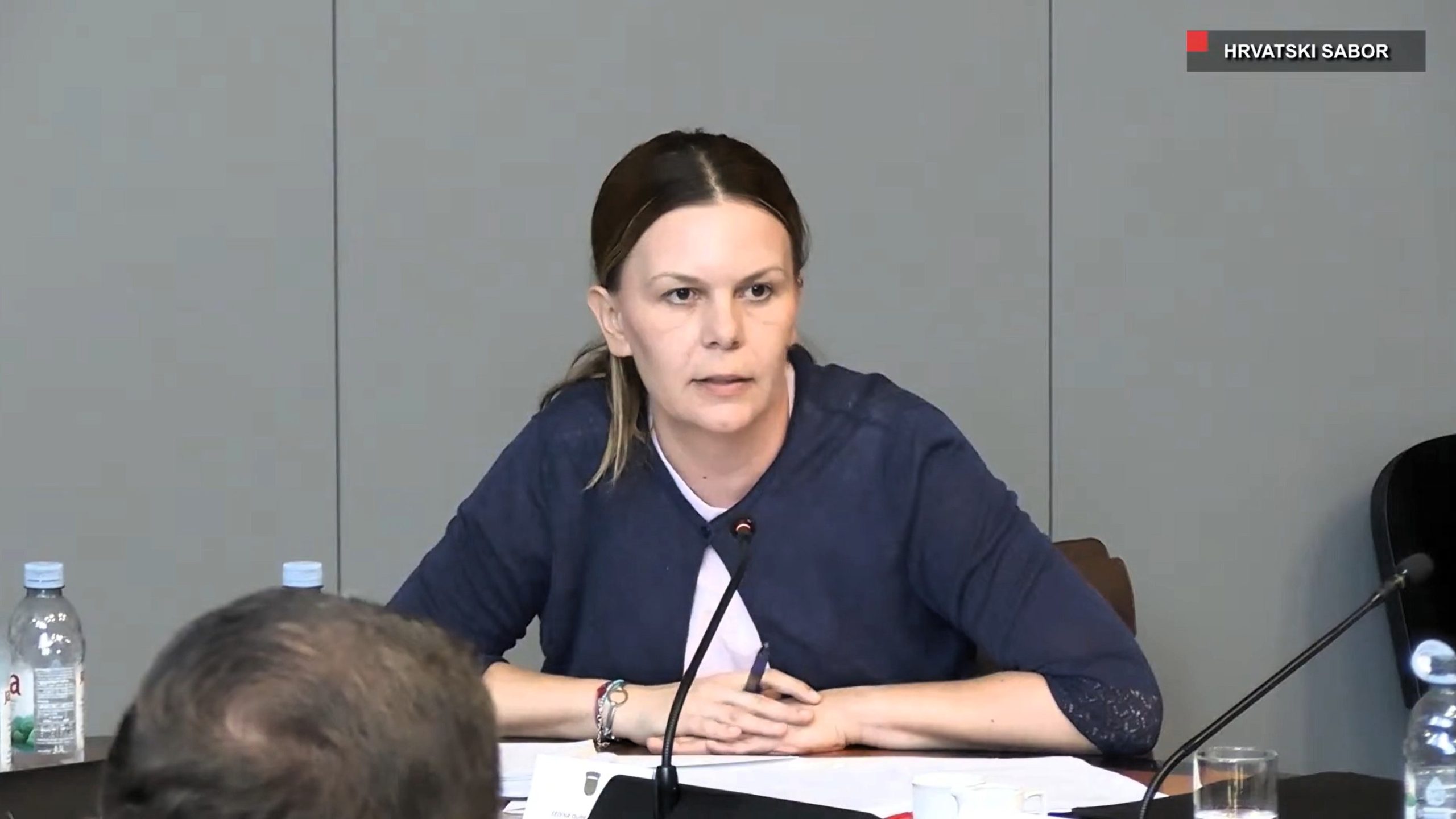
Deputy Ombudswoman Sedina Dubravčić participated on 30 June 2026 in the thematic session of the Judiciary Committee of the Croatian Parliament entitled “Institutional Response to the Tragedy in Drniš – Changes Needed to Protect Citizens from Perpetrators of the Most Serious Criminal Offences”.
Speaking on the topic, Deputy Ombudswoman Dubravčić pointed out that protecting citizens from perpetrators of the most serious criminal offences cannot be ensured solely through the imposition of penalties prescribed by law, but also requires an effective system of supervision, risk assessment and treatment, including after a sentence has been served. In this regard, coordination between the justice, probation, healthcare and social welfare systems is crucial but, unfortunately, currently lacking.
She added that this results in situations in which perpetrators of serious and violent criminal offences are no longer subject to effective supervision following their release from prison, even though they may continue to pose a risk to society.
It is therefore necessary to design and establish special security and treatment measures applicable after a sentence has been served, in line with the case law of the European Court of Human Rights and international standards.
For example, after perpetrators of such criminal offences have served their sentences, a special placement measure could be introduced under strictly prescribed conditions, as a security and treatment measure rather than an additional criminal sanction. Such a measure would be based on a current assessment of the risk posed to society and an expert psychiatric assessment, accompanied by individualised treatment and the possibility of periodic judicial review.
A national risk assessment body could also be established as a multidisciplinary body responsible for assessing risk. It could include, for example, judges responsible for the execution of prison sentences, psychiatrists, probation officers and representatives of the social welfare system and the police. The role of such a body would be to conduct objective and expert assessments of high-risk individuals prior to their release, issue binding recommendations to courts and monitor the implementation of the measures imposed.
In conclusion, Deputy Ombudswoman Dubravčić also emphasised that high-risk criminal proceedings should be treated as urgent. This could include introducing a category of high-security-risk cases, requiring mandatory priority handling, shorter deadlines, the mandatory consideration of precautionary measures and monitoring of the duration of proceedings.
In addition to Deputy Ombudswoman Dubravčić, the discussion was attended by Chair of the Judiciary Committee Nikola Grmoja, Deputy Chair of the Committee Nikola Mažar, other Committee members and Members of Parliament, Deputy Prime Minister of the Republic of Croatia and Minister of the Interior Davor Božinović, Minister of Justice and Digital Transformation Damir Habijan, President of the Supreme Court Mirta Matić, Ivana Bilušić Kujundžić from the High Criminal Court, President of the State Judicial Council Darko Milković, Marija Borovec from the Ministry of Labour, Pension System, Family and Social Policy, Ana Korde and Zvonimir Penić from the Ministry of Justice, Public Administration and Digital Transformation, Nera Nagy from the Ministry of the Interior, Police Director-General Nikola Milina, Assistant Police Director-General Antonio Gerovac, police officer Josip Granić, Goran Arbanas from the Vrapče Psychiatric Clinic, and others.