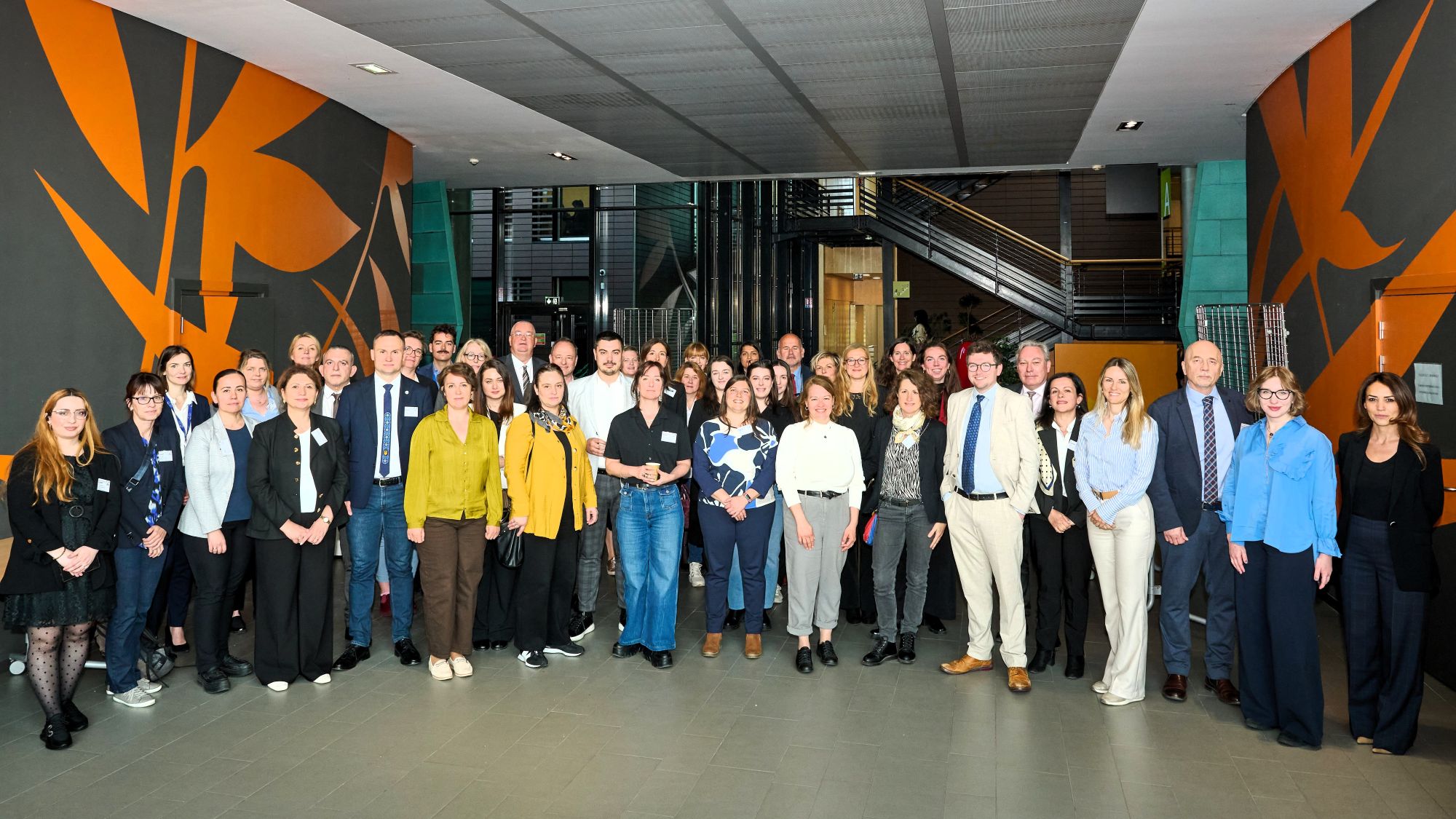
Deputy Ombudsman Saša Rajić participated in the Annual Conference of the European Forum of National Preventive Mechanisms (NPM), which brought together representatives of NPMs from 29 European countries in Strasbourg from 28 to 29 April. This year’s conference was dedicated to the topic of mental health in detention, a widespread problem in European detention facilities.
Why is mental health in detention important?
Research shows that 30 to 50 per cent of adult prisoners suffer from some form of mental disorder, while rates of self-harm are significantly higher than in the general population. Persons deprived of their liberty, especially children, young people and persons with psychosocial or intellectual disabilities, are at increased risk of neglect, inappropriate placement and lack of access to care.
Deprivation of liberty worsens existing problems and can lead to depression, post-traumatic stress disorder (PTSD), emotional and behavioural difficulties, and suicidal thoughts. Prolonged detention without appropriate mental healthcare further aggravates these problems.
Challenges and systemic gaps
Independent monitoring continuously identifies systemic gaps across all types of detention facilities. The main problems include an insufficient number of psychiatrists and psychologists, delayed or incomplete mental health assessments, inadequate continuity of care when prisoners are transferred, and the limited use of trauma-informed approaches.
The CPT’s 2024 report warns of the frequent misuse of isolation and coercive interventions, shortcomings in screening and the protection of high-risk persons, and inconsistencies in the implementation of recommended practices in facilities for both adults and young people. The European Court of Human Rights has repeatedly emphasised that a lack of adequate healthcare may amount to inhuman or degrading treatment, contrary to Article 3 of the European Convention on Human Rights, or, in cases of death in detention, a violation of Article 2.
New Council of Europe recommendation
Based on 35 years of field work, the Council of Europe’s Committee for the Prevention of Torture (CPT) has published a new comprehensive standard on healthcare in prisons. The standard emphasises the key role of healthcare services, including mental healthcare, in preserving dignity during deprivation of liberty.
The Council of Europe has recently issued a Recommendation aimed at protecting and promoting the mental health of prisoners and persons on probation. The Recommendation highlights the key role of prison and probation staff and calls for specialised training to improve understanding of mental health issues and to identify appropriate and humane responses.
Conference objectives
The conference programme focused on exploring applicable standards and risks in different detention settings, including police detention, prisons, migration and psychiatric institutions, and institutions for children. The aim was to strengthen the ability of NPMs to identify systemic problems, document findings and make practical recommendations.
Special attention was given to the needs of children, such as screening, consent, contact with family, safe accommodation and protection from harm. The event also promoted peer learning and encouraged cooperation in developing priorities in line with the preventive mandate under OPCAT.
Ethical principles and trauma-informed approaches
Discussions during the programme also addressed sensitivity to age, gender, disability and migration status, and highlighted the importance of trauma-informed approaches. Particular emphasis was placed on ethical principles such as confidentiality, consent and the “do no harm” principle, as well as on data protection, responsible information-sharing and realistic strategies for cooperation with authorities to ensure sustainable implementation.
The conference was supported by the EU and the Council of Europe, and was attended by experts from the European Committee for the Prevention of Torture (CPT) and the UN Subcommittee on Prevention of Torture (SPT), as well as representatives of international organisations including APT, EuroPris, Prison Insider and RESCALED.