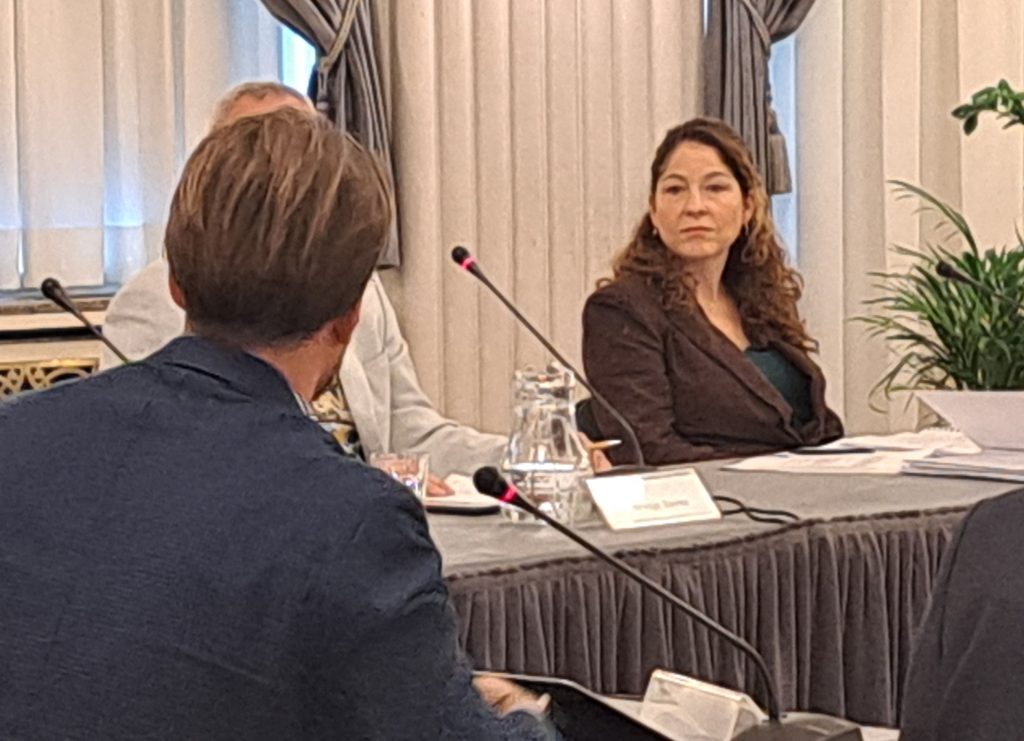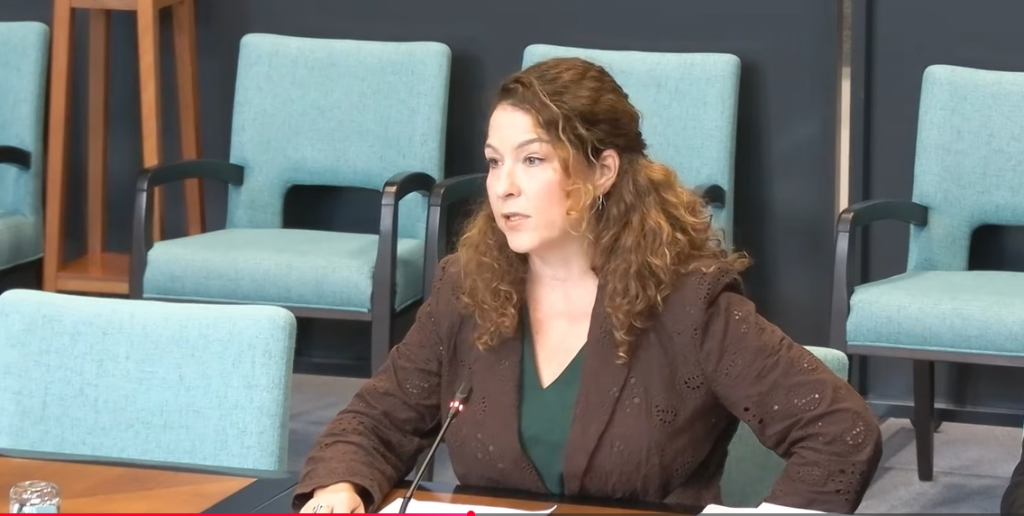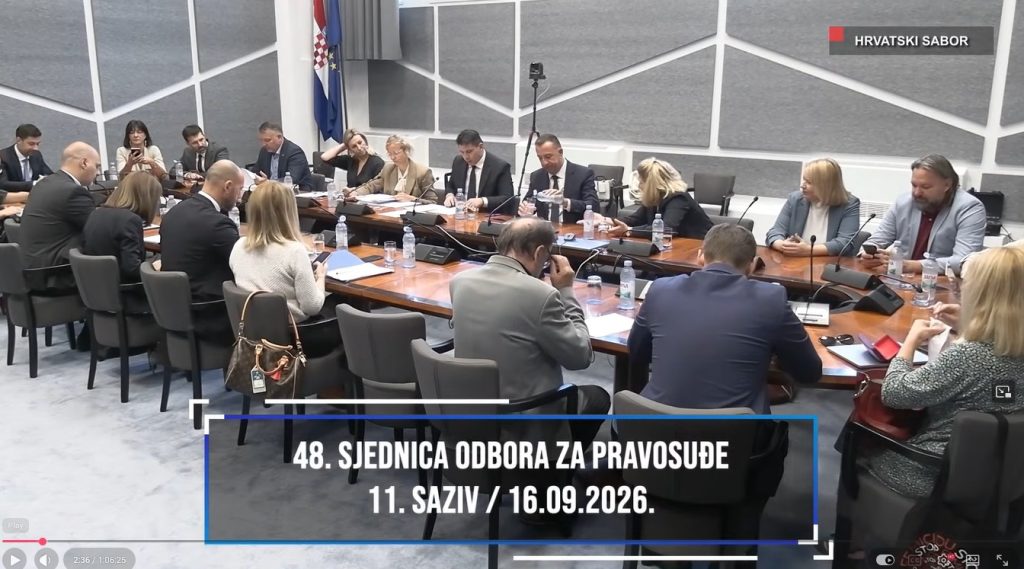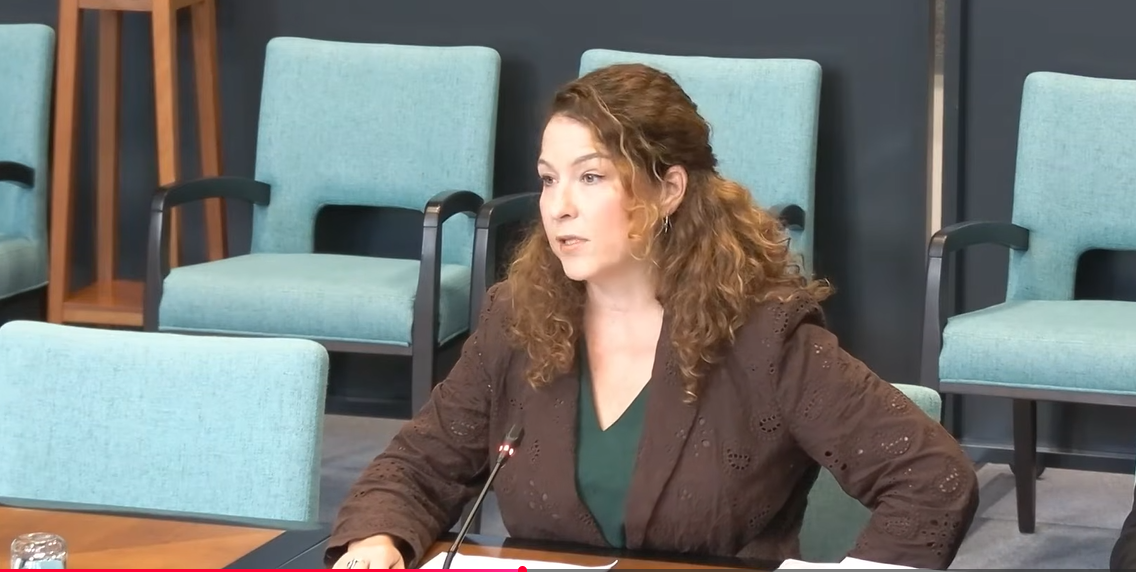
Ombudswoman Tena Šimonović Einwalter took part in discussions on the Bill on Amendments to the Waste Management Act on 22 September 2026, at meetings of the Croatian Parliament’s Environment and Nature Conservation Committee and Local and Regional Self-government Committee.
She noted that many of the amendments presented for public consultation in July were positive. However, some have since been substantially changed without explanation, weakening the standards set out in the July draft.
The proposed fines have been significantly reduced and, for some offences, are now lower than those currently prescribed by law. The deadline for removing all waste after a waste management permit is revoked has also been doubled, while the frequency of inspections at waste management sites has been reduced.
It also remains unclear whether local self-government units will be able to fulfil the responsibilities assigned to them under the Act, given the considerable resources required, which they generally do not have.
The state is responsible for establishing the best possible legal framework. The Waste Management Act affects both people living today and future generations. It concerns the protection of the constitutional right to a healthy life and a healthy environment, and prevention is one of its most important functions. The amendments are being considered at a time when Croatia faces major challenges in waste management.
In addition to speaking at the parliamentary committees, the Ombudswoman sent her comments to the Ministry of Environmental Protection and Green Transition to help improve the proposed legislation. Some of her comments are presented below.
Deadline for removing waste
The Bill introduces a deadline for removing waste after a waste management permit has been revoked. It proposes that removal must begin within 15 days and that all waste must be removed no later than 120 days after the activity ceases, except for waste lawfully deposited at a landfill. The July draft proposed a considerably shorter deadline of two months.
The Ombudswoman therefore proposed considering a shorter deadline, particularly where the actual quantities or types of waste do not comply with the permit, or where waste left on site poses, or already causes, a threat to the quality of air, soil, subsoil, water or the sea; to animals, plants or fungi; or to human life and health.
Inspections of waste management sites
The Bill also introduces inspections of waste management sites. Under the proposal, the State Inspectorate, in cooperation with municipal wardens and the authority that issued the waste management permit or entered the operator in the Register of Waste Collectors and Recoverers, would inspect sites handling only non-hazardous waste at least once per calendar year. Sites handling hazardous waste would be inspected at least twice per calendar year.
Introducing these inspections is a positive step, but the law should require more frequent inspections at sites handling both hazardous and non-hazardous waste. Illegal waste management, especially involving hazardous waste, can cause substantial harm to the environment, nature and human health within a few months. More frequent inspections would help prevent such harm. This is particularly important given Croatia’s current waste management challenges and the growing number of illegal dumping sites. The July draft, by comparison, required inspections at all sites at least once every 90 days.
Retention of video surveillance footage
The introduction of video surveillance at waste management sites is positive. Every legal entity or sole trader holding a waste management permit, registered in the Register of Waste Collectors and Recoverers, or operating or owning a recycling yard would have to install it. Surveillance would have to cover every entrance to the site, as well as vehicles, drivers and vehicle registration plates.
The Bill proposes that footage be retained for 30 calendar days and provided on request to the Ministry of Environmental Protection and Green Transition, the State Inspectorate and the Ministry of the Interior.
A substantially longer retention period is needed. Investigations and proceedings may be complex and lengthy, and footage that is crucial to identifying and prosecuting those responsible for illegal activities could otherwise be lost. Citizens may also have reported illegal conduct some time before the competent authorities begin to act; under the proposed retention period, the footage could already have been deleted. Footage should therefore be kept for longer. Where it shows possible illegal conduct, we propose retaining it for as long as judicial authorities need access to its contents.
Different capacities of local self-government units
The amendments would also place additional obligations on local self-government units in implementing the Act. Among other things, they would be required to organise and carry out an operation to remove illegally dumped waste at least once a year.
This provision could help protect the right to a healthy life and a healthy environment and encourage local self-government units to take further steps to prevent and reduce the number of sites polluted by waste. At the same time, their capacities vary considerably. The amount of waste at some sites exceeds what they can deal with independently. They therefore need assistance from other authorities to ensure that such waste is properly managed.
Amounts of fines
Sanctions for illegal conduct should deter offences and have a preventive effect, both by discouraging those responsible from repeating the conduct and by deterring others. Fines must be high enough to prevent a “business model” in which breaking the law and paying a fine is cheaper than complying with it.
The fines in the current Bill are substantially lower than those proposed in July. For example, a proposed range of €5,000 – €30,000 has been reduced to €2,000 – €6,000. Ranges of €10,000 – €20,000 and €8,000 – €20,000 have likewise both been reduced to €2,000 – €6,000. This reduction cannot be explained as an adjustment to comply with the Misdemeanour Act: the higher fines proposed in July fell within the range permitted under Article 33 of that Act.
The proposed fines should therefore be increased. In her 2025 Annual Report, the Ombudswoman recommended that the Ministry of Environmental Protection and Green Transition prepare amendments to the Waste Management Act introducing stricter fines for the illegal disposal of waste in the environment.
You can watch the Ombudswoman’s comments on the Bill, read her comments submitted during the public consultation in July, and find more information on the right to a clean, healthy and sustainable environment in the Ombudswoman’s 2025 Annual Report.