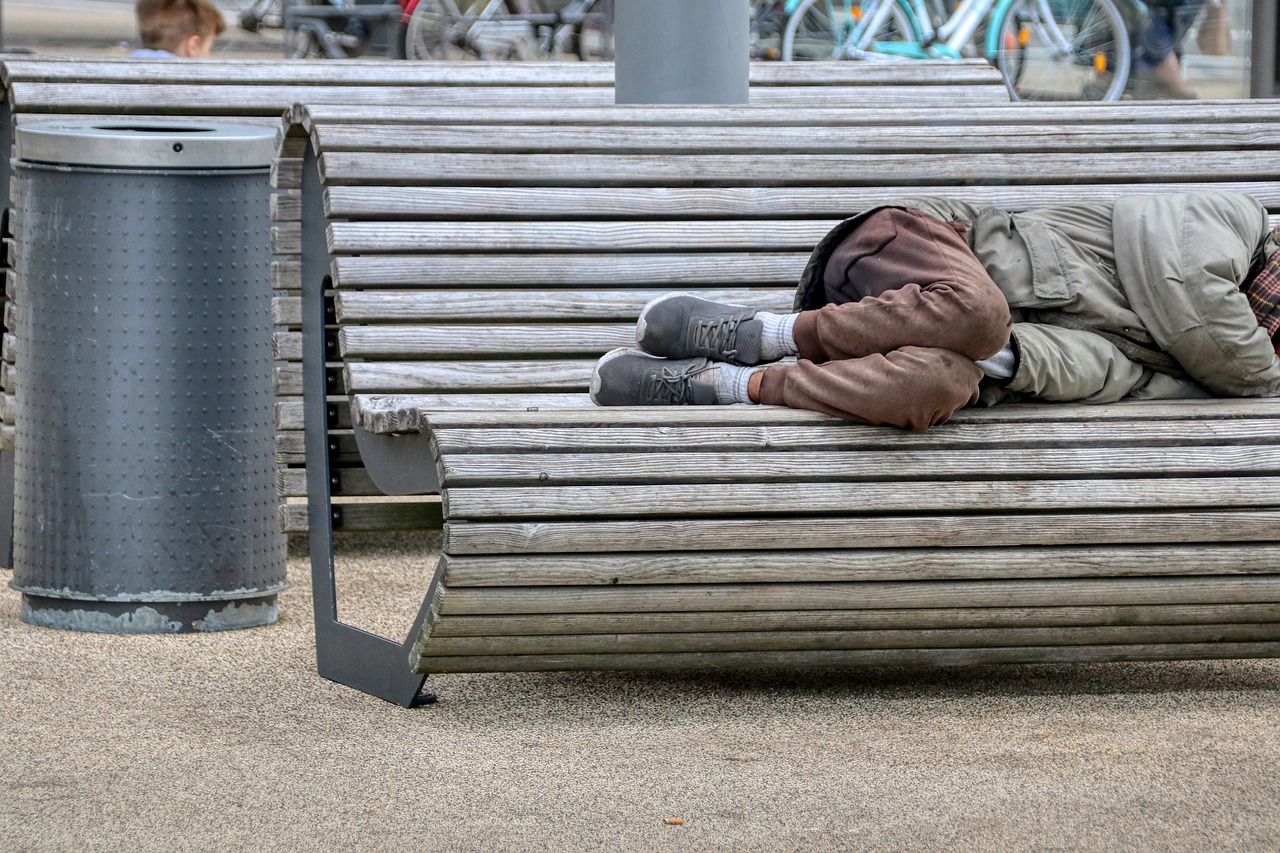
Ahead of World Homeless Day, observed on 10 October, the Ombudswoman warns that no progress has been made in addressing the problems faced by people experiencing homelessness, while their numbers continue to rise.
A fundamental problem is the lack of a unified register that would provide an accurate picture of homelessness in Croatia. Data from the Croatian Institute for Social Work show a steady increase: 958 people experiencing homelessness were recorded in 2025, compared with 803 in 2024, 635 in 2023 and 380 in 2022. However, according to figures from the Ministry of Labour, Pension System, Family and Social Policy, based on data supplied by service providers for people experiencing homelessness, 632 people were recorded in 2025 as users of shelters, overnight accommodation and day centres. Data collected in this way do not reflect the definition under the Social Welfare Act, which also includes people staying in public spaces or other places not intended for habitation.
Meanwhile, the Croatian Network for the Homeless estimates that more than 2,000 people in Croatia are experiencing homelessness, a quarter of whom are women, while more than 15,000 people live in severely inadequate and insecure housing.
Unfortunately, the Ombudswoman’s key recommendations, issued repeatedly over several years to protect the rights of one of society’s most vulnerable groups, have yet to be implemented. These include developing a National Strategy to Combat Homelessness and mapping homelessness to establish the actual number of people affected in Croatia and the full range of challenges they face every day. This is also a prerequisite for designing and implementing effective public policies to improve their situation.
In its recent opinion on the Ombudswoman’s 2025 Annual Report, the Croatian Government maintains that a separate strategy to combat homelessness is unnecessary, arguing that the issue is covered by existing legislative frameworks. The Government also states that the number of people experiencing homelessness, the causes of homelessness and information about their financial circumstances, family situation and health are established through surveys of service providers. Such an approach is unacceptable given the continuing rise in homelessness and the significant number of people at risk of becoming homeless.
Difficulties in registering a permanent address and obtaining documents, particularly identity cards, remain a major problem for people experiencing homelessness, hindering their access to rights. Even when able to work, people without an identity card cannot register with the Croatian Employment Service. Without this registration, they cannot access the guaranteed minimum benefit and therefore cannot cover the cost of obtaining a new identity card, trapping them in a vicious circle.
Accommodation capacity is also insufficient. Although large cities and county seats are required to promote and provide temporary accommodation in shelters and/or overnight facilities, these exist in only 12 cities. People experiencing homelessness also face particular difficulties finding accommodation after discharge from hospital, especially those with serious health conditions, whose care needs shelters cannot adequately meet. The Ombudswoman has therefore recommended that the Ministry, in cooperation with local and regional authorities, ensure accommodation and appropriate care for people experiencing homelessness who have serious health conditions, enabling them to exercise their right to adequate healthcare.
Difficulties in cooperation between the competent institutions across sectors are another concern, while payments of already low social benefits are slow. A positive step came with the 2025 amendments to the Social Welfare Act: following the Ombudswoman’s recommendation, people experiencing homelessness who receive accommodation or organised housing services in shelters became eligible for the full guaranteed minimum benefit, which had previously been unavailable to them.
Further information is available in the Ombudswoman’s Annual Report.